Crafting Personalized Moments with a 3D Pregnancy Test Box Laser Cut Design
In the evolving landscape of digital fabrication, the intersection of personal storytelling and precise engineering has created unique opportunities for creators. One such niche that has gained significant traction is the creation of reveal mechanisms, specifically the 3D Pregnancy Test Box Laser Cut. This concept represents more than just a craft project; it is a method of preserving a fleeting, life-changing moment in a tangible, artistic format. By utilizing digital design files, hobbyists and professionals alike can produce sophisticated, layered structures that mimic the iconic shape of a pregnancy test, complete with customizable result windows.
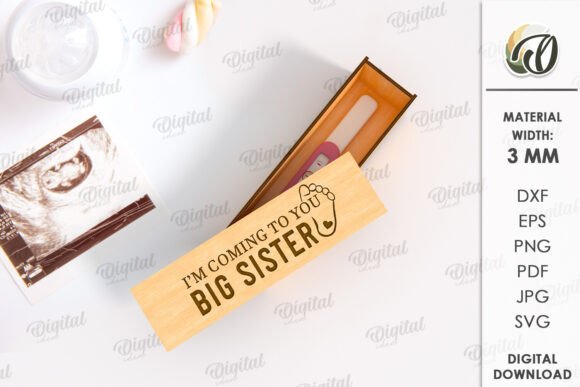
It is crucial to understand the nature of this product before beginning your journey. When you acquire a design for a 3D Pregnancy test box Laser Cut, you are purchasing a digital asset, not a physical object. No physical goods will be sent to your address. Instead, the value lies in the versatility of the files provided. Typically, a purchase includes a compressed zip folder containing a single, high-precision design available in multiple vector and raster formats: SVG, DXF, EPS, PDF, JPEG, and PNG. This multi-format approach ensures compatibility with a wide range of software and hardware, from consumer-grade desktop cutters to industrial CNC routers.
The Mechanics of Layered Digital Fabrication
The core appeal of these projects lies in their construction methodology. A successful 3D Pregnancy Test Box Laser Cut relies on the principle of lamination or stacking. Unlike traditional 2D cutting, where a design is flat against a surface, 3D laser cutting involves stacking multiple layers of material to create depth, volume, and structural integrity. For the specific geometry of a pregnancy test reveal box, this layering is essential to create the internal cavity where the "result" mechanism slides or flips.
The design files provided are engineered with specific tolerances in mind. The most critical specification for this particular project is the material width. The designs are optimized for 3mm thick material. This dimension is not arbitrary; it is the industry standard for many popular crafting materials like birch plywood, acrylic, and MDF. Using material that deviates significantly from this 3mm requirement can lead to assembly issues. If the material is too thin, the joints will be loose, and the box may fall apart or fail to hold its shape. Conversely, if the material is too thick, the press-fit joints designed into the SVG or DXF files will not close properly, potentially cracking the material or preventing the sliding mechanism from functioning smoothly.
Understanding the file formats included in your download is vital for workflow efficiency. Vector formats like SVG, DXF, and EPS are paramount for laser cutting and CNC machining. These files contain mathematical paths that tell the machine exactly where to cut, score, or engrave. They allow for infinite scaling without loss of quality, meaning you can adjust the overall size of the box while maintaining the precision of the joint connections. Raster formats like JPEG and PNG serve a different purpose; they are ideal for visualizing the final product, creating marketing materials if you plan to sell the finished physical items, or using as a reference guide during the assembly process.
Material Selection and Aesthetic Considerations
While the digital file provides the blueprint, the choice of material defines the aesthetic and emotional impact of the final piece. Since the 3D Pregnancy test box Laser Cut is often used for a highly sentimental reveal, the texture and finish of the material play a pivotal role. Birch plywood is a favorite among creators for its natural grain, which adds warmth and organic beauty to the geometric structure. When laser cut, birch often develops a slight darkening on the edges, which can accentuate the layers and highlight the 3D effect of the stacked construction.
Alternatively, acrylic offers a modern, sleek look. Colored acrylics can be used to differentiate the casing from the internal sliding mechanism, adding a pop of color that mimics the plastic housing of a real medical test device. Some creators opt for a combination of materials, using wood for the outer shell and clear acrylic for the result window to simulate the digital display area. The possibilities of creation are endless, limited only by the creator's imagination and the capabilities of their cutting equipment.
When sourcing materials, always verify the thickness. Even within the same product line, nominal thickness can vary. A sheet labeled as 3mm might actually measure 2.8mm or 3.2mm. Professional fabricators often measure their stock with calipers before running a job. If your material varies, you may need to adjust the kerf offset in your cutting software to ensure the friction fit remains secure. This attention to detail transforms a simple cut file into a high-quality, durable keepsake.
Practical Applications Beyond the Reveal
While the primary use case for a 3D Pregnancy Test Box Laser Cut is obviously the gender reveal or pregnancy announcement, the utility of these designs extends far beyond a single event. For small business owners and Etsy sellers, these digital files represent a low-overhead inventory solution. Since the product is made-to-order, there is no need to store bulky pre-made boxes. A creator can keep a stock of 3mm plywood sheets and produce a fresh, custom box for each client, perhaps even personalizing it with engraved names or dates using the same laser cutter.
Educators and workshop leaders also find value in these projects. They serve as excellent teaching tools for introducing students to the concepts of parametric design, tolerance, and assembly logic. Building a functional sliding mechanism requires an understanding of how parts interact in three-dimensional space. It bridges the gap between abstract digital design and physical reality, making it a potent tool for STEM education and vocational training in digital fabrication.
Furthermore, these boxes can be repurposed as decorative home or office accents. Once the initial reveal is over, the box can serve as a memory keeper. Parents might store the positive test stick, the first ultrasound photo, or a lock of hair inside the compartment. The design transforms a disposable medical device into a permanent piece of art suitable for a nursery shelf or a family memory wall. This longevity adds significant value to the project, elevating it from a temporary prop to a cherished heirloom.
Workflow Optimization for Creators
Efficiency is key when working with laser cutters, whether for personal projects or commercial production. The provided zip folder containing the 3D Pregnancy test box Laser Cut design is structured to streamline this workflow. Upon downloading, the immediate step should be file organization. Extract the contents and review the vector files in your preferred design software, such as Adobe Illustrator, CorelDRAW, Inkscape, or LightBurn.
Before sending the job to the laser cutter, it is advisable to perform a "dry run" or simulation if your software supports it. This helps identify any open paths or overlapping lines that could cause the laser to dwell too long in one spot, leading to burn marks. Since the design relies on precise interlocking tabs, ensuring that all lines are closed vectors is critical. Additionally, consider the grain direction of wood materials. Aligning the grain across the layers can enhance the visual depth, while aligning it with the length of the box might provide slightly more structural strength against bending.
Post-processing is another stage where expertise shines. After cutting, the pieces will likely have soot or residue on the edges, especially if using wood. A light sanding or wiping with a damp cloth can clean up the parts. Assembly should be done carefully, pressing the layers together firmly but evenly. For the sliding mechanism, a tiny amount of wax or dry lubricant on the contact points can ensure smooth operation without gumming up the wood fibers. These small touches distinguish a amateur-looking project from a professional-grade product.
Technical Considerations and Troubleshooting
Even with high-quality files, variables in the manufacturing environment can present challenges. One common issue with 3D layered projects is warping. If the material has absorbed moisture unevenly, the stacked layers might not sit flush. Acclimating the material to the workshop environment for 24 hours before cutting can mitigate this. Another consideration is the power and speed settings of the laser cutter. Different machines have different wattages; a setting that works perfectly on a 40W CO2 laser might burn through a 100W machine. Always run test cuts on scrap pieces of the exact same material batch to dial in your settings.
The design assumes a standard 3mm thickness, but what if you only have 4mm material? While it is possible to scale the file, simply enlarging the entire design will alter the proportions of the pregnancy test icon, potentially making it look distorted. Advanced users might choose to offset the joint lines manually in their vector software to accommodate thicker stock, but this requires a solid understanding of CAD manipulation. Sticking to the recommended 3mm specification ensures that the proportions remain true to the original artistic intent of the 3D Pregnancy Test Box Laser Cut.
Safety is also paramount. Laser cutting generates fumes, particularly when cutting plastics like acrylic or treated woods. Adequate ventilation and air assist are necessary to ensure clean cuts and a safe working environment. Furthermore, when assembling the box, ensure that any adhesives used (if not relying solely on press-fit) are non-toxic, especially since these items may be handled by expectant parents or kept in nurseries.
The Value of Digital Ownership
Purchasing a digital file offers a distinct advantage over buying a physical product: autonomy. When you own the SVG and DXF files, you have the freedom to iterate. Perhaps you want to add a monogram to the side of the box, or change the shape of the result window. With the source files, these modifications are entirely within your control. This empowers creators to build a brand around their unique variations of the base design.
Moreover, the digital nature of the product means instant access. There is no shipping wait time, no risk of damage during transit, and no geographical limitations. A creator in Tokyo can download the same file as a hobbyist in Toronto and produce identical results, provided they adhere to the material specifications. This democratization of design allows for a global community of makers to share techniques, showcase their finished builds, and inspire one another.
In conclusion, the 3D Pregnancy test box Laser Cut represents a perfect storm of emotional significance and technical precision. It leverages the capabilities of modern laser cutting technology to create something deeply human and personal. Whether you are a seasoned fabricator looking to expand your product line, an educator seeking engaging projects, or an individual wanting to craft a unique memory, these digital designs provide a robust foundation. By respecting the material constraints, understanding the file formats, and applying careful craftsmanship, the resulting object becomes more than the sum of its parts—it becomes a vessel for joy and anticipation.
Thank you for visiting my store and exploring the potential of digital fabrication. The journey from a vector path to a physical object is one of the most rewarding experiences in the maker community. If you have a question regarding file compatibility, material suggestions, or assembly techniques, please write me a message. Happy shopping, and may your creations bring as much happiness to others as they do to you.