Unlocking Winter Creativity with Ski 3D Layered Lasercut Designs
The intersection of traditional craftsmanship and modern digital fabrication has opened up incredible possibilities for hobbyists, small business owners, and professional designers alike. Among the most captivating trends in this space is the creation of dimensional winter scenes, specifically those centered around the thrill of the slopes. A Ski 3D Layered Lasercut design offers more than just a flat image; it provides a tangible sense of depth, movement, and atmosphere that captures the essence of a mountain landscape. Whether you are looking to create a unique holiday gift, a striking piece of home decor, or a prototype for a larger installation, understanding how to leverage these digital assets is key to producing stunning physical results.
The Magic of Dimensional Paper Art
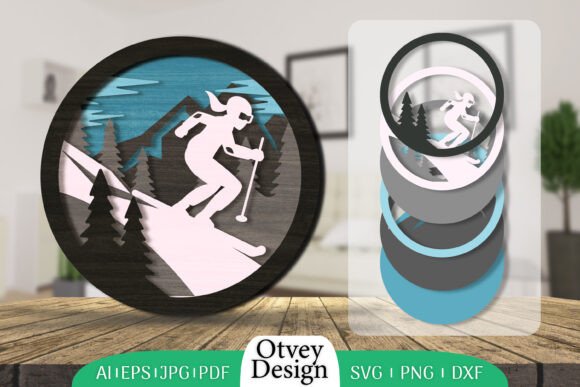
At its core, layered paper art relies on the principle of parallax and shadow to create an illusion of three-dimensional space. When applied to a skiing theme, this technique becomes particularly effective. The foreground might feature sharp, detailed pine trees or a skier in mid-action, while the background recedes into misty mountain peaks and a distant sky. Using a Ski 3D Layered Lasercut file allows creators to bypass the tedious process of manually drawing and sizing each layer. Instead, you receive a precision-engineered blueprint where every curve, contour, and cut line has been calculated to fit together perfectly.
The beauty of this approach lies in its versatility. You aren't limited to paper. While cardstock is the most common medium due to its rigidity and ease of cutting, these designs translate beautifully to wood veneer, acrylic, foam board, and even metal sheets depending on your machine's capabilities. The result is a shadow box effect that changes as the viewer moves, with light casting dynamic shadows between the layers that bring the snowy scene to life.
What You Actually Get in the Download
One of the most frequent questions from newcomers to digital crafting is about file compatibility. When you invest in a high-quality Ski 3D Layered Lasercut package, you are purchasing flexibility. A comprehensive download typically arrives as a ZIP file containing a suite of formats designed to work with virtually any software or hardware setup you might have.
Here is a breakdown of the standard formats you can expect and how they serve your workflow:
- AI File (Adobe Illustrator): This is the gold standard for vector editing. If you use Illustrator, this native file allows you to tweak anchor points, change stroke weights, or modify the design before sending it to your cutter.
- EPS File: A universal vector format that works with CorelDRAW, Inkscape, and many other graphic design programs. It ensures your lines remain crisp regardless of scaling.
- SVG File: Perfect for web-based cutting machines like Cricut or Silhouette, as well as open-source software. It's lightweight and widely supported.
- DXF File: The go-to format for CAD software and industrial laser cutters. If you are using machinery that requires precise engineering coordinates, this is the file you will load.
- PDF File: Ideal for quick viewing, printing proofs on standard home printers, or sharing with clients who just need to see the layout without editing capabilities.
- JPG and PNG Files: These raster images are excellent for previewing the final look, creating marketing materials for your finished product, or using as a reference guide during assembly.
Having access to this wide array of formats means you never hit a dead end. Whether you are a professional running a Glowforge in a workshop or a weekend warrior with a desktop cutter, the Ski 3D Layered Lasercut files are ready to integrate immediately into your process.
Choosing the Right Materials for Your Winter Scene
While the digital file provides the roadmap, the materials you choose determine the final aesthetic impact. For a classic, cozy feel, heavy-weight cardstock in varying shades of white, cream, and cool blue works wonders. By selecting papers with slightly different textures or tones for each layer, you can enhance the perception of depth without needing to add paint or ink. The top layer, perhaps featuring the skier, could be a bold color to make them pop against the monochromatic background.
For a more rustic or premium look, consider using thin birch plywood. The natural grain of the wood adds warmth to the cold subject matter of skiing. When lasered, the edges of the wood darken slightly, naturally outlining the shapes and adding definition to the trees and mountain ridges. Acrylic is another fantastic option, especially if you plan to backlight your project. A Ski 3D Layered Lasercut made from frosted acrylic layers can glow softly when placed in front of an LED strip, mimicking the aurora borealis or the first light of dawn over the peaks.
Thickness matters significantly in layered projects. If your layers are too thin, the shadow gaps may be insufficient to create the 3D effect. Conversely, if they are too thick, the assembly can become bulky and difficult to frame. Most designers recommend spacing layers between 3mm to 6mm apart, using foam tape or specialized spacer strips. This gap allows light to penetrate and cast the shadows that define the style.
Integrating into Modern Workflows and Business Models
The rise of on-demand manufacturing and personalized gifts has made designs like the Ski 3D Layered Lasercut a valuable asset for entrepreneurs. Etsy sellers and craft fair vendors frequently use these files to create customizable products. Imagine offering a customer the ability to add their name or a specific date to the base layer of the ski scene, turning a generic decoration into a cherished memory of a family vacation or a wedding at a ski resort.
In terms of workflow efficiency, starting with a pre-made layered file saves hours of design time. Instead of struggling to align vectors manually, you can focus on production quality, material sourcing, and finishing techniques. This shift allows makers to scale their output. You can cut multiple sets of layers in a single run, assemble them in batches, and maintain consistent quality across all units. Furthermore, because the files are vector-based, resizing the entire composition to fit different frame sizes—from small 5x7 inch gifts to large 24x36 inch wall statements—is a matter of seconds in your software.
Beyond retail, these designs fit well into interior design projects. Real estate stagers often use textured art to add warmth to vacant properties, and a mountain-themed layered piece can instantly evoke a sense of lifestyle and adventure in a cabin or lodge setting. Architects and designers might also use scaled-down versions as conceptual models or decorative elements in hospitality spaces like ski lodges or après-ski bars.
Tips for Flawless Assembly
Even with perfect files, the assembly process requires patience and attention to detail. Before gluing anything down, perform a "dry fit." Lay out all your layers in order to ensure the registration marks align and the visual flow makes sense. It is not uncommon to find that swapping two middle layers might improve the depth perception of a specific tree line or cloud formation.
When adhering the layers, avoid using liquid glue directly on the face of the material, as it can warp paper or leave visible residues. Double-sided foam tape is the industry standard for a reason: it provides consistent spacing and a clean bond. Apply small squares at the corners and along the edges of each layer, being careful to hide them within the design elements so they don't distract from the view.
Lighting is the secret ingredient that elevates a good project to a great one. Consider the environment where the Ski 3D Layered Lasercut will hang. If it's in a dimly lit corner, integrating a subtle backlight can transform the piece. If it's in a bright hallway, ensure the glass or acrylic front cover is non-reflective to prevent glare from obscuring the intricate details of the lower layers.
Making the Decision to Create
Deciding to start a project with layered laser cutting often comes down to the desire for something unique that mass-produced items simply cannot offer. The tactile nature of the finished product, combined with the precision of digital cutting, creates a hybrid art form that feels both modern and timeless. Whether you are drawn to the serene beauty of snow-covered pines or the dynamic energy of a downhill racer, the foundational design is already handled for you.
There is no need to hesitate if you have access to a cutting machine and a creative spark. The availability of comprehensive file packs means the technical barrier to entry is incredibly low. You don't need to be an expert illustrator; you just need to be willing to experiment with materials and lighting. The learning curve is gentle, and the rewards are immediate. Each layer you add brings the scene closer to reality, inviting viewers to step into a frozen moment in time.
Ultimately, the value of these digital assets extends beyond the file itself. It is about the potential to create something meaningful. Whether for personal satisfaction, a heartfelt gift, or a commercial venture, the Ski 3D Layered Lasercut serves as a robust foundation for innovation. So, gather your materials, load your preferred file format, and let the layers build your own winter wonderland. If you encounter any uncertainties along the way, remember that the crafting community is vast and supportive, and clarity is always just a question away.